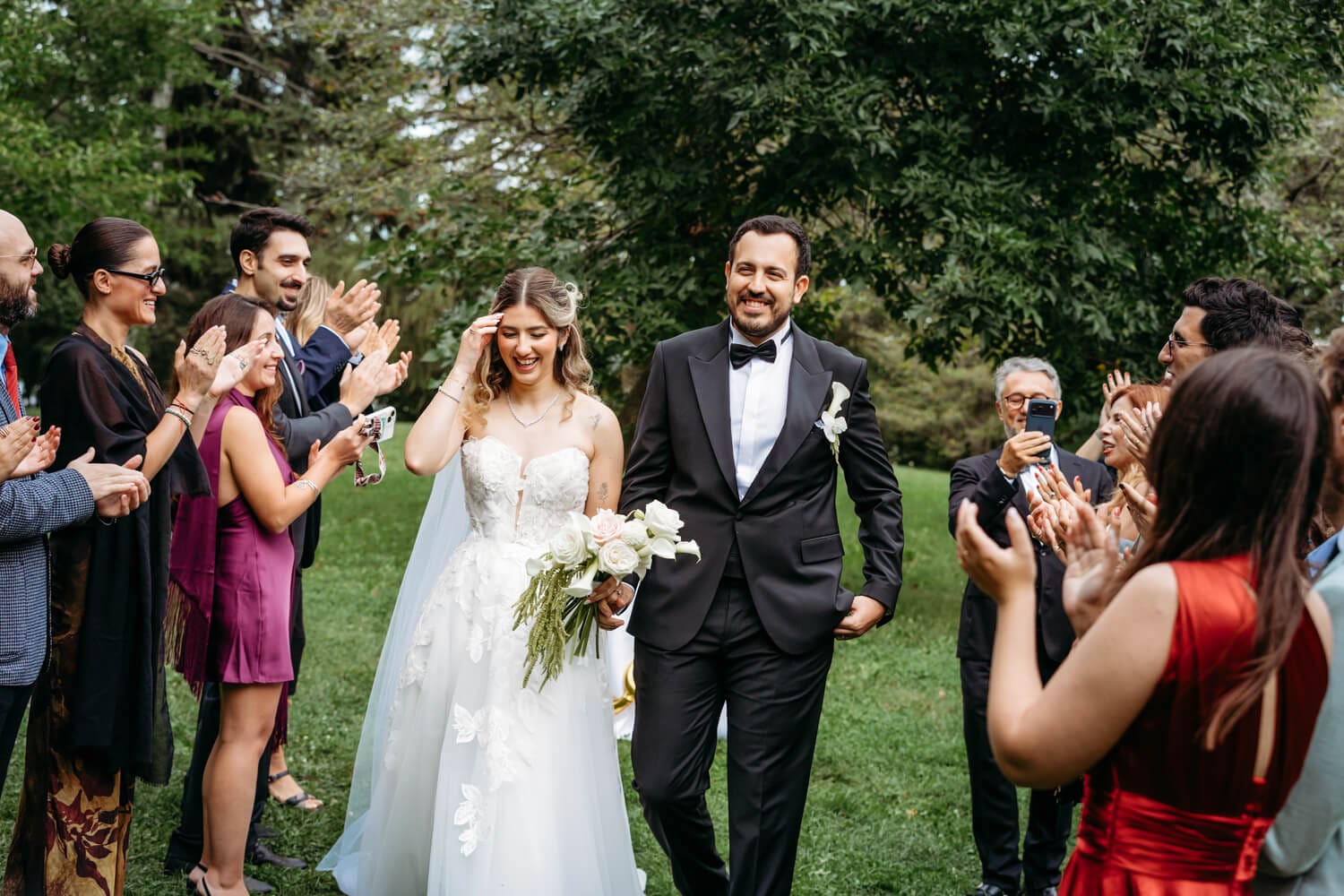
A good photography timeline protects your time with each other and your guests. Start with what matters most, then build space for the photographs around it.
A Wedding Photography Timeline That Leaves Room to Breathe
A wedding photography timeline is a plan for more than pictures. It determines whether you have a quiet moment together, whether your family photographs feel calm and whether you get to be at the cocktail hour you planned for everyone else.
The best timeline begins with the experience you want, then makes space for the photographs that will help you remember it. Here is a flexible way to build one.
Start with the fixed moments
Write down the ceremony start and expected end, any venue access times, travel between locations, sunset if outdoor light matters to you, dinner and the parts of the reception you want photographed. Confirm timing with your planner and venue. These are the points around which the rest of the day can move.
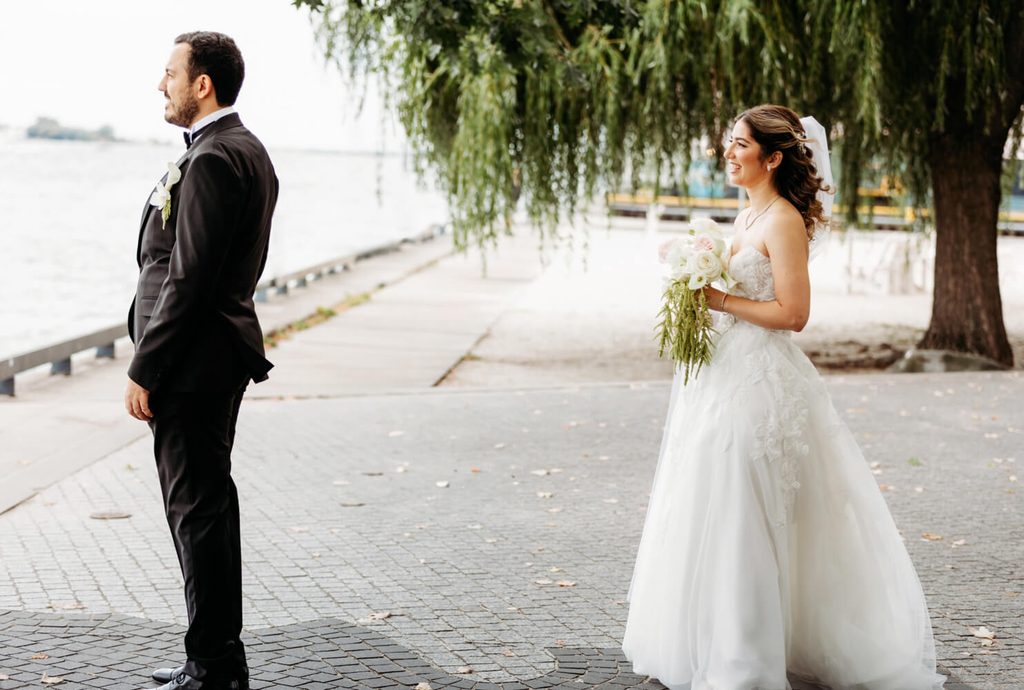
Then choose whether you want to see each other before the ceremony. A first look can create an earlier portrait window and may allow more time with guests later. Seeing each other for the first time during the ceremony can be just as meaningful; it simply changes where portraits fit. Neither choice is inherently better for photography.
Allow time for getting ready without making it a production
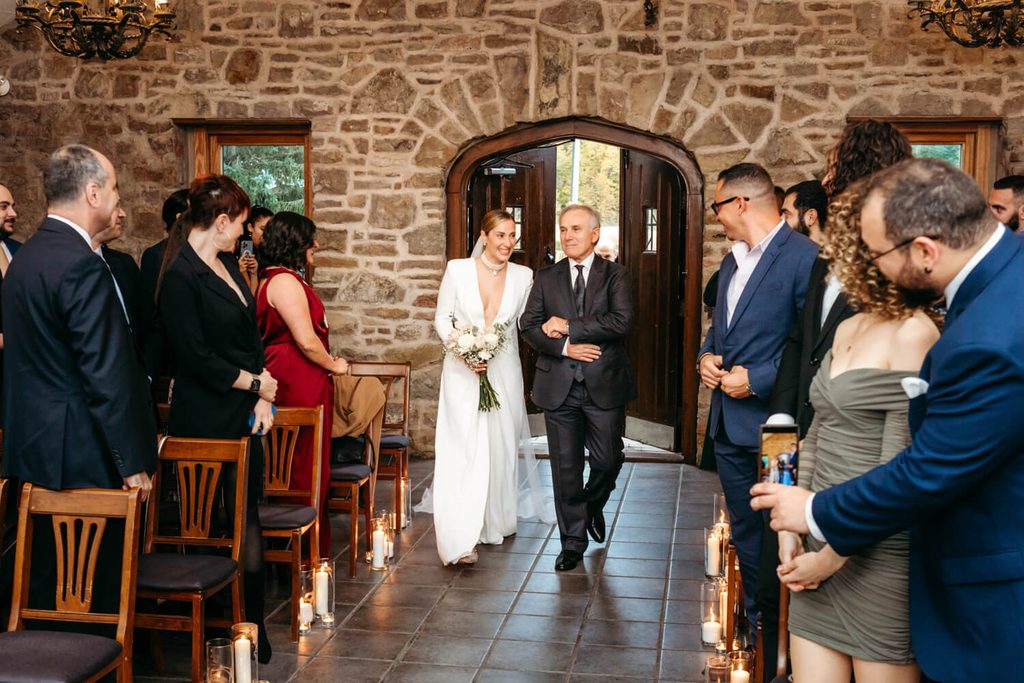
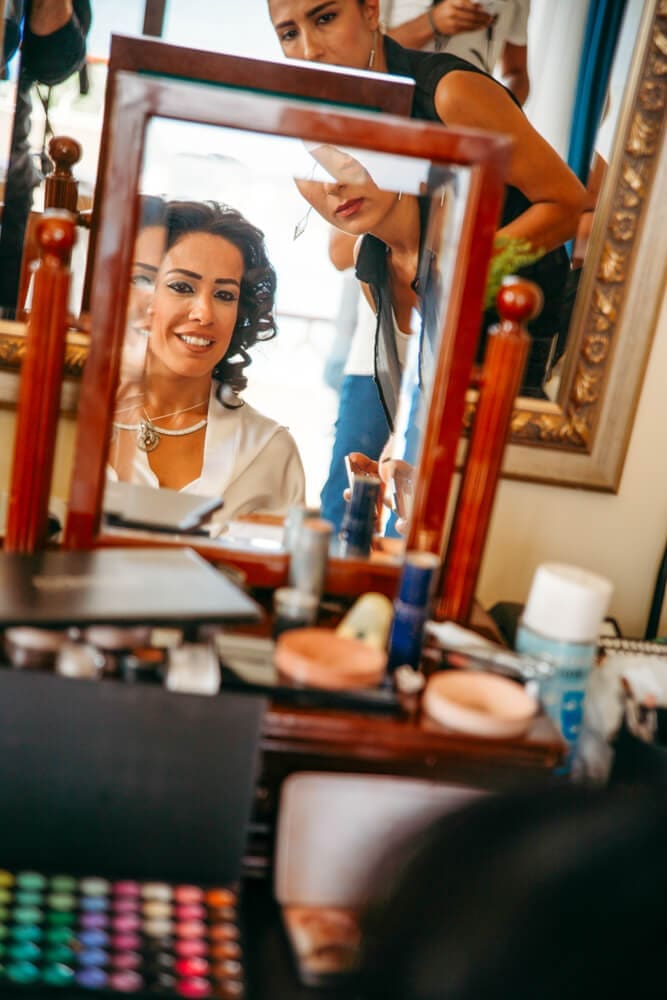
Photographs of preparation can include the room, the people with you, finishing touches and whatever the morning actually feels like. We do not need every person to be fully ready before we arrive. We do need a realistic sense of when each of you will put on final clothing and whether we need to travel between locations.
If getting ready happens in separate places, add travel and parking time. If the room is small, fewer people moving in and out can make it more comfortable. Read our [guide to getting ready photographs](/getting-ready-wedding-photos/) for a more thoughtful way to plan the morning.
Set a family portrait plan before the wedding
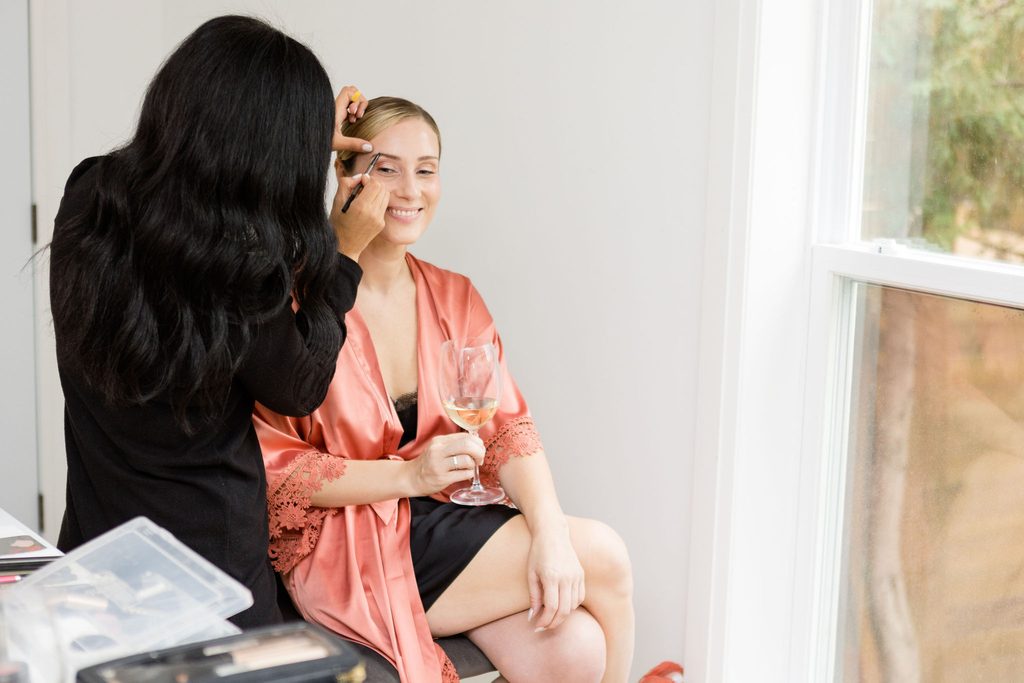
Family photographs often take longer than a couple expects because people need to be found and gathered. Make a concise group list in advance and identify someone who knows both sides of the family and can help call names. Tell us about any relationships or mobility needs we should plan around.
Place these portraits where they make sense: sometimes before the ceremony, sometimes immediately afterward. The right window depends on your family, locations and whether everyone will be together. A clear list helps you spend less time searching for people and more time celebrating with them.
Give portraits a purpose and a stopping point
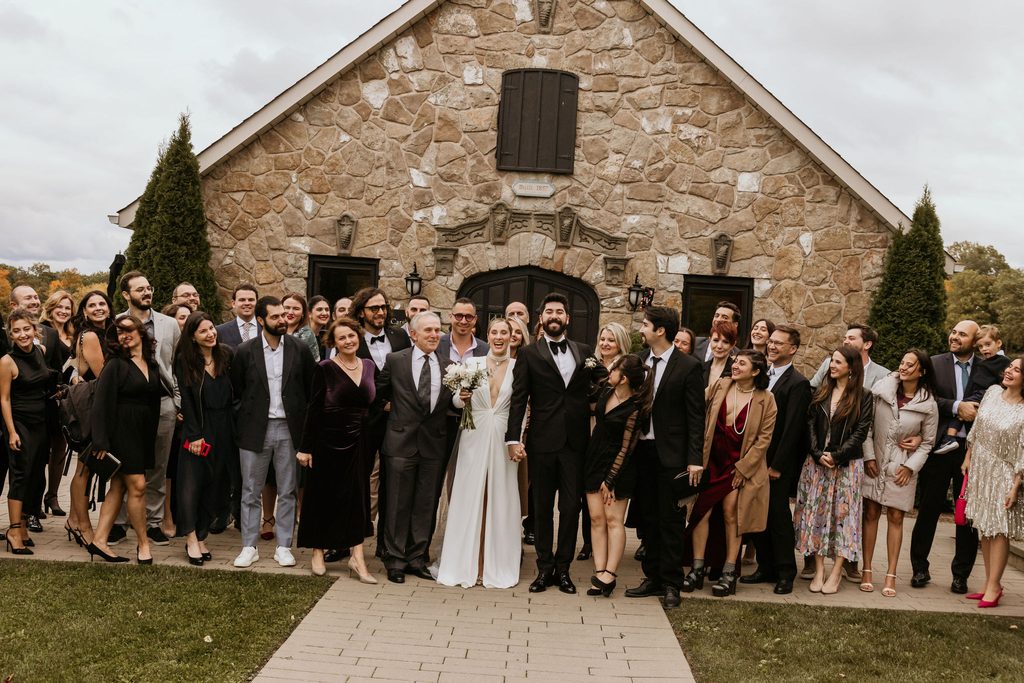
Couple portraits can happen all at once or in two shorter windows. The first can give you intentional photographs together; a second, brief pause later in the day can offer different light or simply a moment to reconnect. More time is not automatically better. The goal is enough time to settle in without taking you away from the wedding you wanted to have.
Tell your photographers what you want from portraits. If you love composed, editorial images, plan for that. If time with guests is your priority, plan for a concise portrait window and let the rest of the coverage follow the day naturally.
Build in buffers where people move
Getting dressed, traveling between spaces, gathering family and lining up for the ceremony all involve other people. Those transitions are where a tightly packed schedule often slips. Rather than assigning every minute, leave some breathing room after travel and before the next major event.
Your planner and venue can help with an operational timeline. Your photographers can help identify where light, movement and group photographs affect the plan. Share one current version with everyone who needs it.
A flexible sample timeline
This example assumes a ceremony and reception at or near the same venue, with a first look. It is a planning illustration, not a schedule to copy without adjusting for your day.
| Window | What may happen | Why it matters |
|---|---|---|
| Before the ceremony | Getting ready, meaningful details, final clothing | Leaves room for the morning as it unfolds |
| Before guests are seated | First look and couple portraits, if chosen | Creates a private pause and an earlier portrait window |
| Near the ceremony | Wedding party or immediate family groups, if practical | Reduces the number of groups needed afterward |
| After the ceremony | Remaining family groups and a few couple portraits | Keeps loved ones together while everyone is present |
| Cocktail hour | Guests, atmosphere and room details | Lets the couple rejoin the celebration as soon as possible |
| Evening | Dinner, speeches, dancing and unscripted moments | Completes the story beyond the portraits |
If you are not doing a first look, move the primary couple portraits after the ceremony and protect enough time between the ceremony and dinner. If there are multiple venues, add actual transit and parking time. If sunset is important, check the date and location rather than relying on a generic seasonal estimate.
How much time should we allow for wedding portraits?
There is no universal number. Location changes, travel, light, the size of the group and the kind of portraits you want all affect the answer. Ask your photographer and planner to build the portrait windows around your specific day. A concise, well-planned window is usually more comfortable than a long session squeezed into a rushed schedule.
Should family photos happen before or after the ceremony?
Both can work. Beforehand can free time later if everyone is ready and available. Afterward can be simpler when relatives have already gathered for the ceremony. Choose the option that suits your family, ceremony timing and priorities, then give everyone on the group list clear instructions.
We want you to remember what your day felt like, including the parts you did not plan. When there is room in the schedule, there is room for those moments too. Tell us about the day you are planning, and we can help shape a photography timeline around it.


