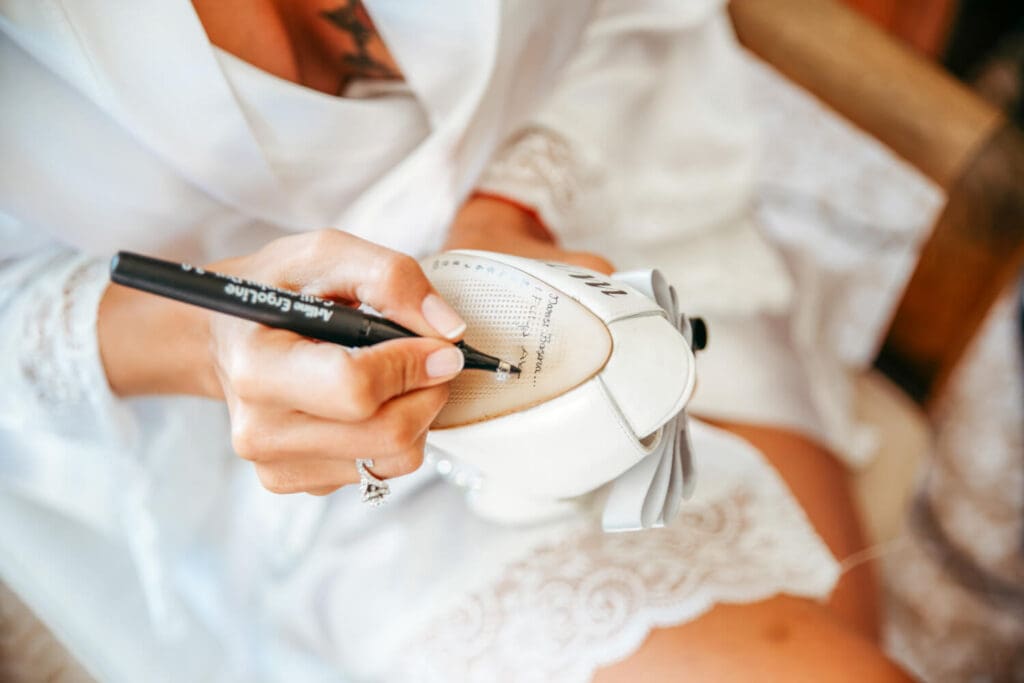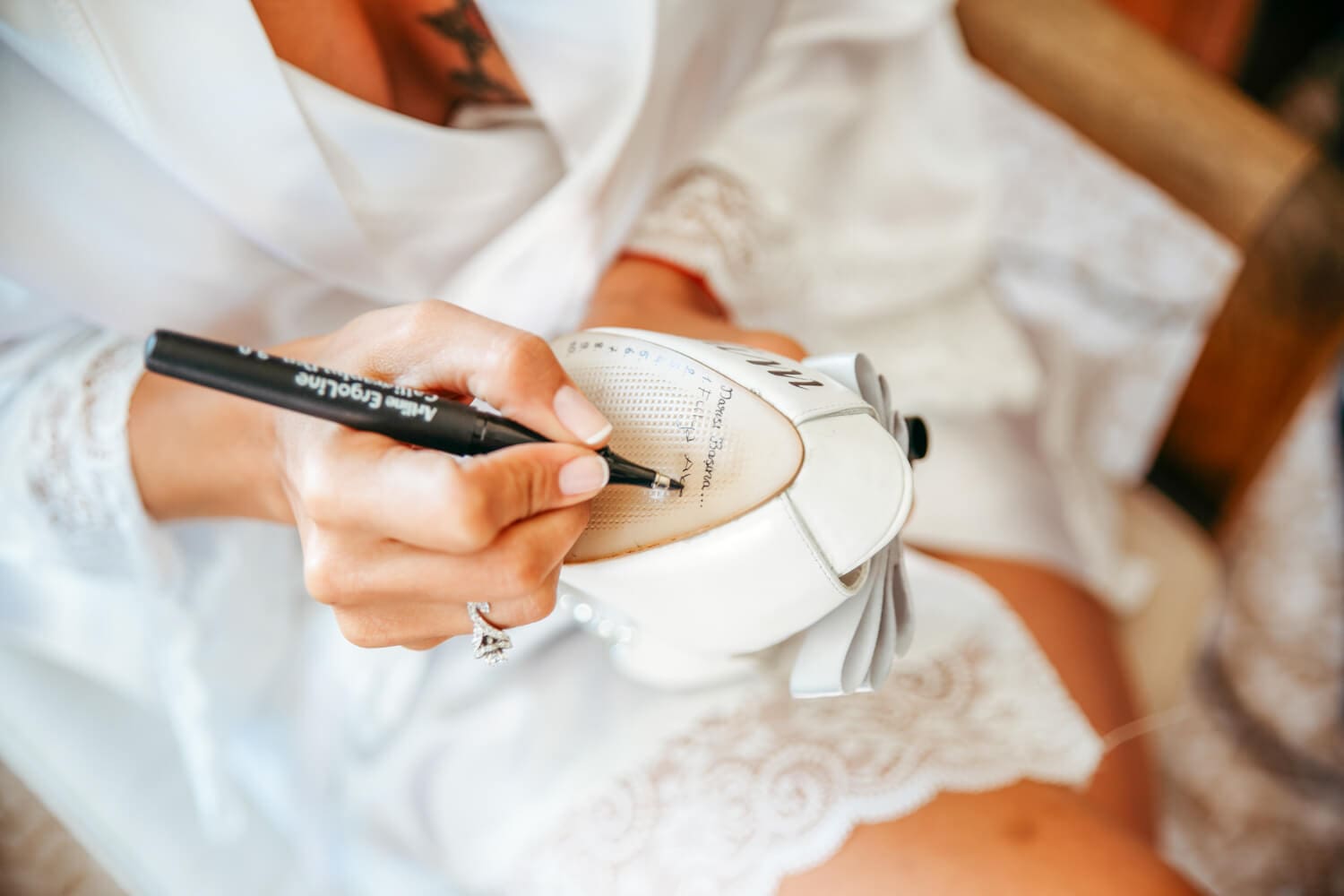
Wedding details are often introduced as a list: rings, invitation, flowers, shoes. Those photographs can be beautiful. But the details most meaningful to you may be the ones a stranger would never recognize without the story behind them. A note in a familiar handwriting. A watch that belonged to someone you miss. The table where […]
The Wedding Details You Will Want to Remember
Wedding details are often introduced as a list: rings, invitation, flowers, shoes. Those photographs can be beautiful. But the details most meaningful to you may be the ones a stranger would never recognize without the story behind them.
A note in a familiar handwriting. A watch that belonged to someone you miss. The table where your families will finally sit together. A place card written by a friend. Years later, those photographs can bring back a person, a voice or a feeling alongside the look of the day.
Begin with what carries a story
Before the wedding, ask each other what you would be sad to forget. The answer may be an object, but it may also be a gesture: your father fastening your cuff, a friend fixing your veil, your child walking into the room, your grandparents holding hands during the ceremony.
Tell your photographer why a detail matters. “These earrings were my mother’s” gives us more to work with than “Please photograph the earrings.” It helps us notice where that story appears again as the day unfolds.
Share a short list of meaningful objects
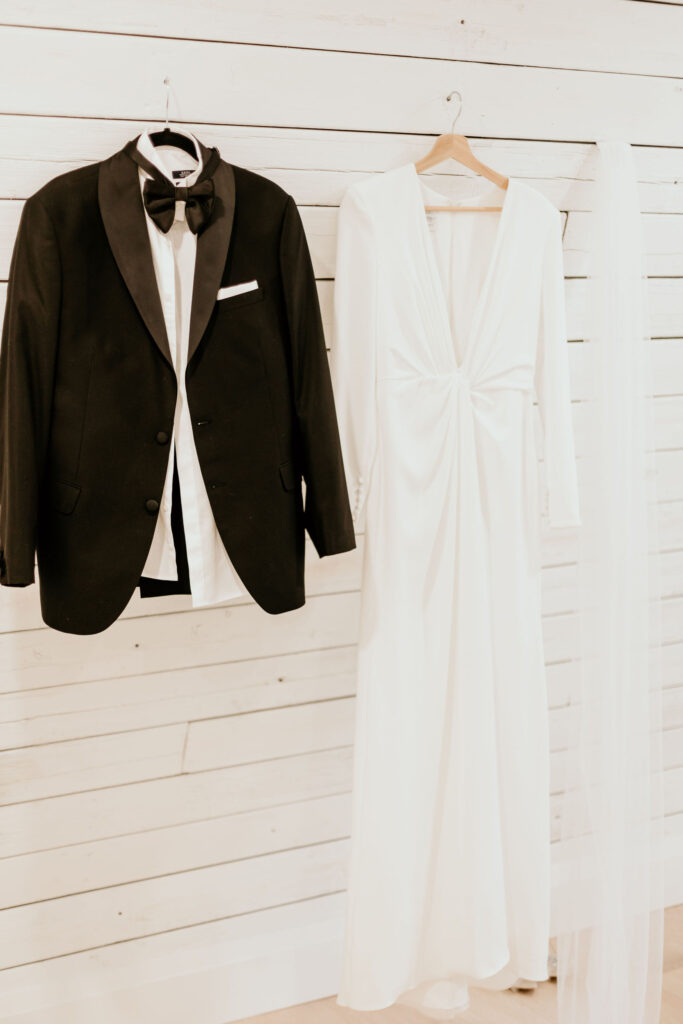
If you want an intentional photograph of a few items, gather them in one place before getting ready. Possibilities include rings, stationery, clothing, flowers, heirlooms, vows, a letter or anything you created together. Keep the list selective. You can enjoy the morning while we make photographs of what matters.
If something is fragile, irreplaceable or should stay with a particular person, let us know. We can plan around it instead of moving it casually for a photograph. Our [getting ready guide](/getting-ready-wedding-photos/) covers how to make the morning comfortable for everyone.
Remember the place as well as the objects
The setting is part of the memory. A quiet ceremony space before guests enter, the way the light falls across dinner, the view from a doorway and the rooms filling with people all help tell the story. We look for both the considered design and the life happening within it.
If your venue or location has special meaning, share that too. Maybe you chose it because your families have gathered there for years, or because a particular landscape feels like home. Context changes what a photograph can hold.
Photograph details with the people who give them meaning
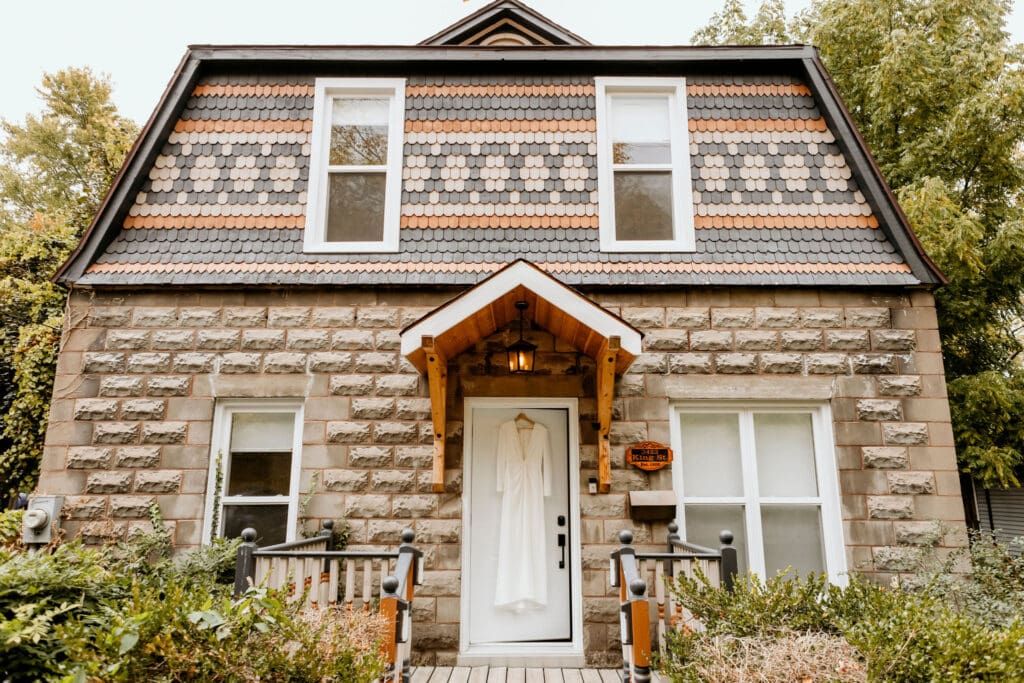
An invitation on a table tells us about the design. A guest holding it and finding their seat tells us about the day. A dress on a hanger preserves its shape. A photograph of someone helping you into it holds a relationship.
There is room for both kinds of images. We love a thoughtful, editorial frame; we also want to notice what happens when the carefully chosen pieces become part of a real celebration. That is why our approach makes space for [portraits and unscripted moments](/weddings/).
What details should we give our wedding photographer?
Share the items with personal meaning, any design elements you particularly love, and the relationships or traditions connected to them. A short list with a sentence of context is more useful than an exhaustive request to photograph every object.
Will our photographer capture details without a shot list?
An attentive photographer will photograph the setting and many details as the day unfolds. Still, we cannot know the history behind an object or tradition unless you tell us. Share the irreplaceable details and any time-sensitive moments before the wedding.
The day will hold things you planned carefully and things no one could have predicted. We want the photographs to make room for both. [Tell us what matters to you](/contact/).