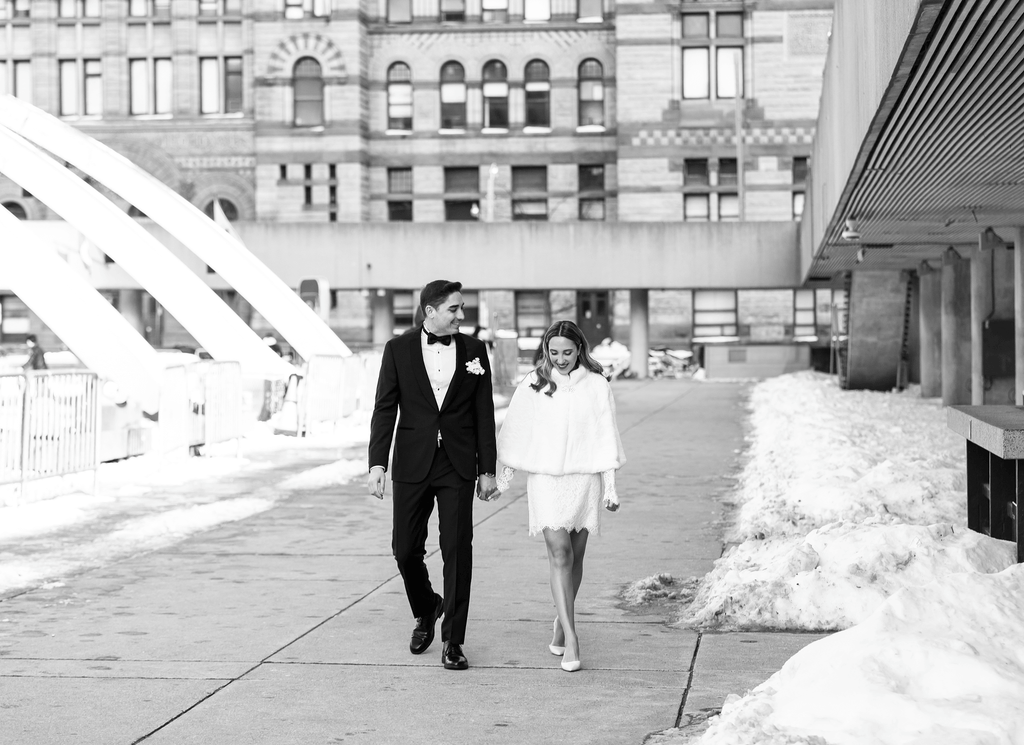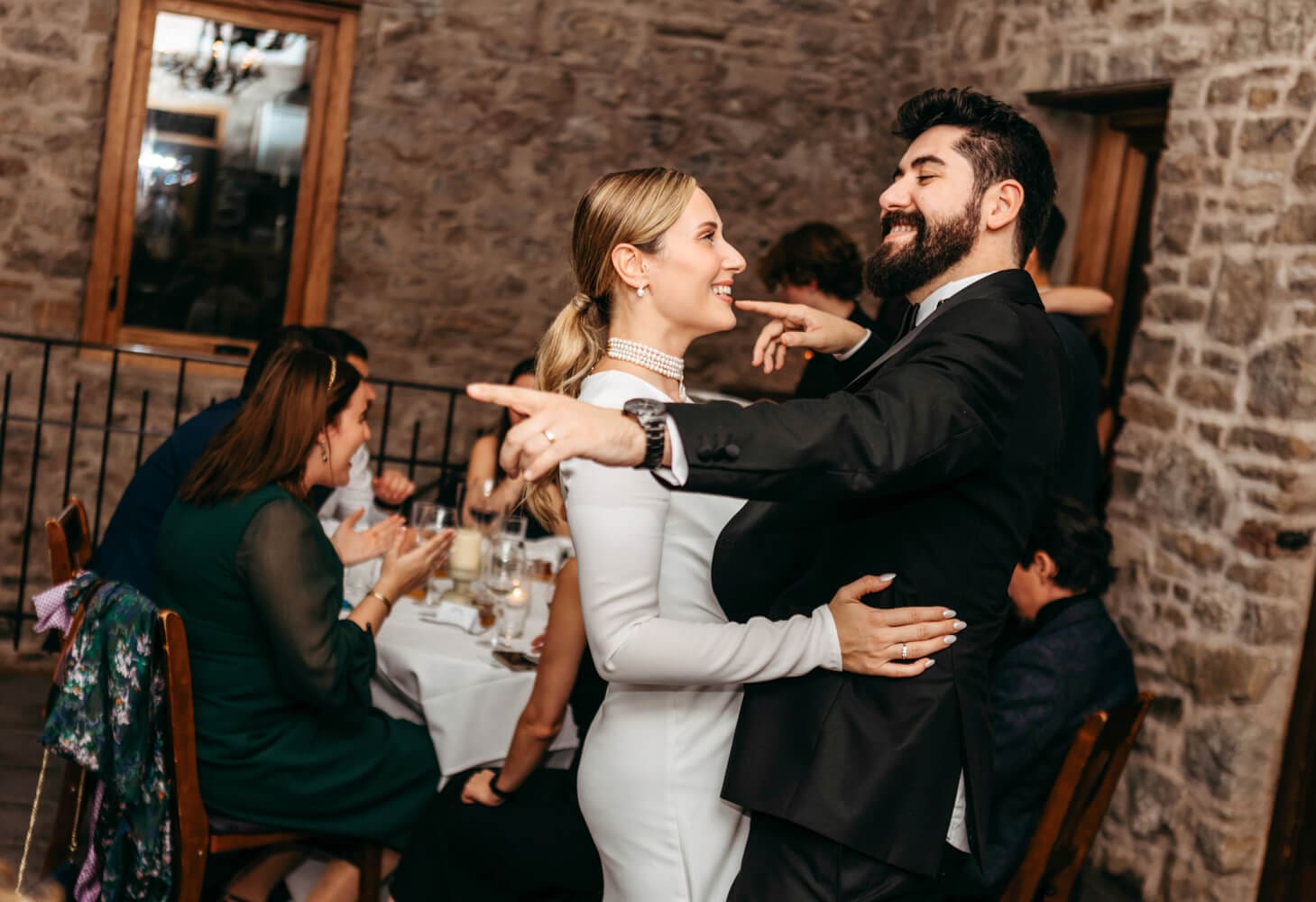
You do not need to know how to pose to look like yourselves. The right preparation, a little trust and room to breathe make all the difference.
How to Feel Like Yourself in Your Wedding Photos
“We’re awkward in photos” is one of the first things couples tell us. Usually, what they mean is: We don’t want to spend our wedding day performing for a camera. We understand. You have made plans to marry each other and celebrate with people you love. The photographs should bring you back to that experience, not remind you of a list of poses.
You do not need to arrive knowing where to put your hands. You need a photographer whose approach gives you room to be yourselves, who can offer direction when it helps, and who knows when to step back.
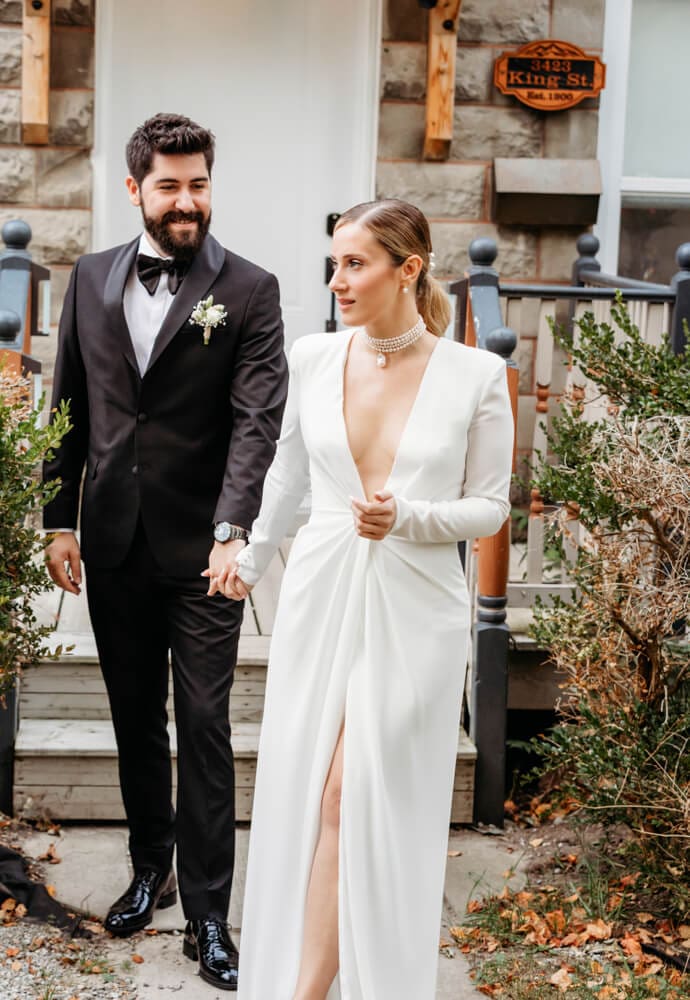
Start with someone you can be comfortable around
Look beyond a photographer’s most dramatic portraits. Can you imagine spending the morning, ceremony and reception with them nearby? Does their language make you feel at ease? Do you feel heard when you talk about what matters to you?
We photograph weddings together, and that gives us two sets of eyes on the day. One of us can help with an intentional portrait while the other notices a quiet exchange nearby. That balance matters to us because a wedding is made of both the images you set aside time to make and the moments that happen without an invitation.
Before you book, share what you love about a gallery and what makes you nervous. A good conversation tells you much more about the experience than a list of deliverables alone. If you are still comparing approaches, our guide to [choosing a wedding photographer](/how-to-choose-a-wedding-photographer/) may help.
Plan a portrait window, then let it breathe
Beautiful portraits rarely require hours of complicated posing. A little space in the schedule can mean you are not watching the clock while trying to be present with each other. The right amount depends on your venue, travel, light and whether you are seeing each other before the ceremony.
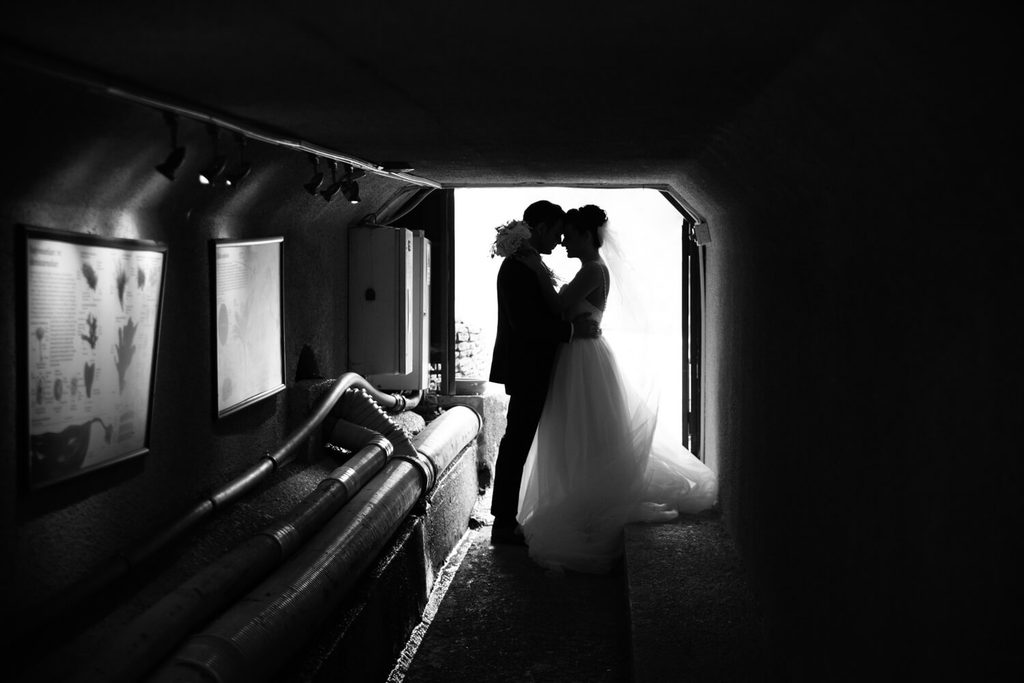
During portraits, direction can be simple: walk together, turn toward the light, take a breath, come close. We will guide you when a change in position helps the photograph. Between those prompts, there is space for your own expressions and rhythm. That is often where the frame begins to feel unmistakably yours.
If you prefer more editorial portraits, say so. If you would rather spend less time away from your guests, say that too. The best plan reflects your priorities. See our [wedding photography timeline guide](/wedding-photography-timeline/) for ways to protect time for both photographs and celebration.
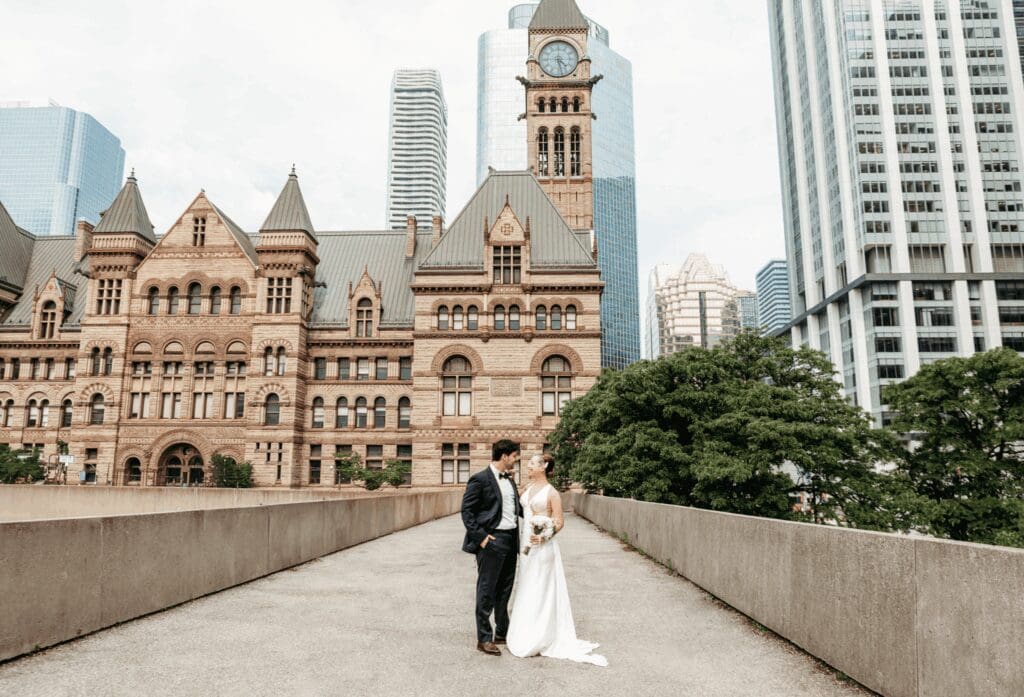
Give yourselves permission to feel whatever is real
You do not have to smile in every frame. A steadying hand before the ceremony, a nervous laugh, a deep breath after the vows or a look across the dinner table can become the photographs you return to most often. Feeling natural does not mean every moment will be casual. It means there is room for the full range of the day.
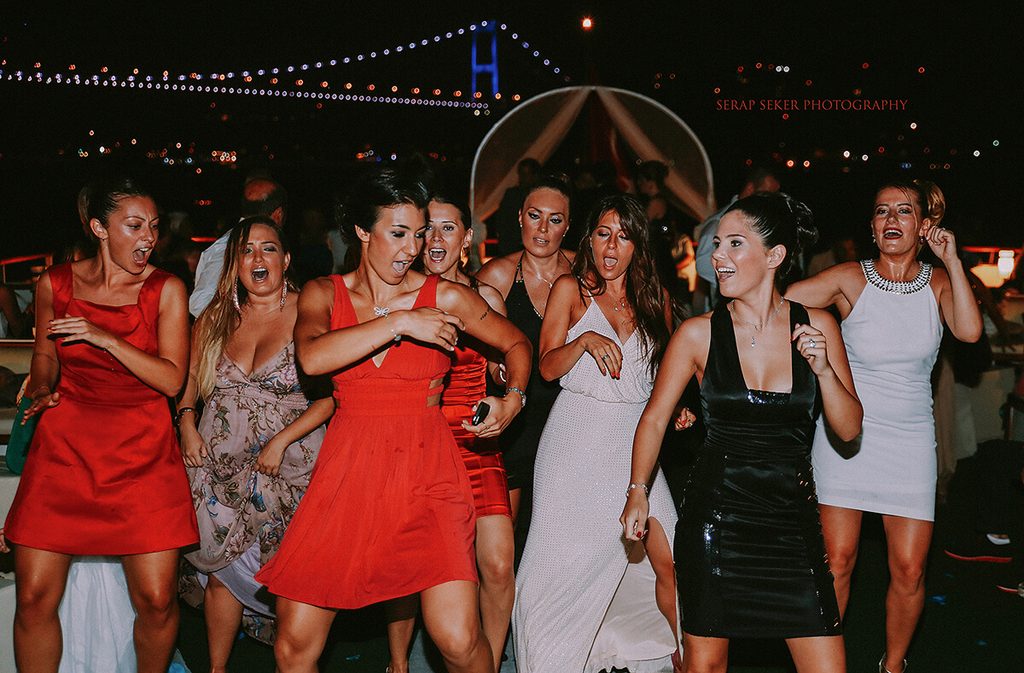
Try not to judge how a moment looks while you are living it. Let the ceremony be a ceremony. Let the speeches land. Stay on the dance floor if that is where you want to be. Presence gives the photographs something real to hold onto.
Wear what lets you move and stay in the moment
How you feel in your clothes changes how you move. Try sitting, walking and embracing in your outfit before the wedding. If you are wearing shoes that will be difficult for portraits on grass or stone, bring a second pair. Ask someone you trust to help with a train, veil or jacket so you are free to focus on each other.
There is no requirement to choose a particular style. The point is to make room for your actual selves within the clothes and setting you have chosen.
Make a short list of people, not a script for every moment
Tell your photographers about the relationships we would never recognize from across the room: the friend who flew in unexpectedly, the grandparent whose presence means everything, the sibling who helped you through the planning. A family portrait list is useful because it keeps formal group photographs organized. An exhaustive list of candid moments cannot do the same job; those moments need attention and flexibility.
Share meaningful details in advance, then trust your team to notice what unfolds. If there is a moment you particularly want photographed, tell us. No one has to guess.
What if we really do hate being photographed?
Tell us early. We can build a portrait plan around gentle direction, a quieter location and time together without an audience. You are allowed to ask for help. Feeling comfortable is part of the photography experience, not a skill you have to bring to it.
Do we need an engagement session to feel more relaxed?
An engagement session can give you a chance to get used to being photographed together, but it is not a requirement for natural wedding photographs. The more important thing is having a photographer you trust and a wedding day with enough room to breathe.
The photographs you will love years from now should look like the two of you living your day. If that is the experience you are hoping for, tell us what you are imagining.